
Lithium batteries have become an important part of our modern lives. You see them daily in your smartwatches, phones, laptops, and even in electric vehicles. However, sometimes you accidentally drop a device into water or leave it outside in the rain without knowing the outcome. This leads to a question: What happens if a lithium battery gets wet?
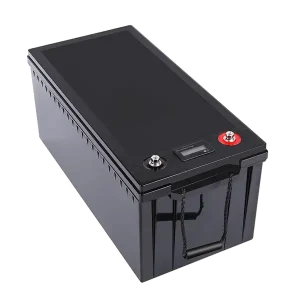
No doubt, lithium batteries are reliable but it does not mean they last forever. Certain conditions, like water, can affect its performance and even cause dangerous situations. But if you are just starting to use these batteries and they get wet, you might panic. But worry not! In this guide, I will discuss the risk that happens when lithium batteries get wet and what you should do next. So let’s get started.
What Happens If a Lithium Battery Gets Wet: Risk You Must Know
At first, it seems perfectly normal for a lithium-ion battery to come into contact with water. But the real danger appears when you start using this wet battery. Remember, lithium and water are not a good combination. They pose several risks that must be known before using the battery.
1- Short Circuiting
The biggest risk when a lithium battery gets wet is short circuits. Basically, a lithium battery has specific paths through which the electricity moves. Now, when the water enters, it forms a new path for the electricity to travel. Through this new path, current flows where it is not supposed to go.

When this happens, the battery releases energy very quickly instead of in a controlled manner. Now this fast flow automatically generates a large amount of heat in a short time, which is known as a short circuit. This condition can become more severe when the battery contains any mineral or salt.
2- Corrosion of Internal Components
The second risk water poses to lithium batteries is corrosion of their parts. As you know, a lithium battery is made with several metal parts that help in the flow of electricity. But when water enters these metal parts, it starts to corrode. Even if you dry the battery on the outside, moisture can remain inside.
This moisture reacts with metal, eventually forming rust. This rust may not appear moderately, but over time, you will see powdery buildup on battery terminals and connectors. This buildup stops the metal part from conducting electricity. In many cases, the battery might stop working due to corrosion.
3- Swelling & Physical Damage
Water exposure can sometimes cause a lithium polymer battery to swell. How? When water enters a lithium battery, it interferes with the normal chemical reactions that occur inside. Due to these unwanted reactions, some gases begin to form inside the battery.
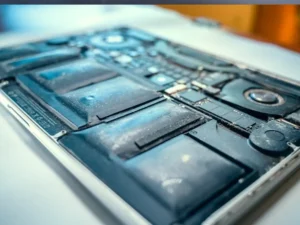
Over time, as gases build up, they put pressure within the battery casing. Now these gases don’t have space to escape, so the battery starts to expand and lose its original shape. You will see that the battery is puffed up and larger than its size. Don’t ignore these signs, as swelling ultimately physically damages the battery. In severe cases, the battery might overheat and explode.
4- Thermal Runaway
Thermal runaway is a situation where a lithium battery gets hotter and hotter without stopping. Normally, a battery produces a small amount of heat while working. However, when the battery gets wet, the internal components become disrupted and do not work properly. As a result, they start to get hot.
As the battery gets hotter, the heat triggers more chemical reactions inside the battery. These reactions create even more heat. This cycle continues, creating worse conditions. For example, a lithium battery can start smoking, catch fire, or even explode. But the good thing is that the thermal runaway does not happen suddenly, but gives signs. You will see overheating, swelling, strange odours, or smoke.
5- Reduced Battery Performance
Often, the lithium battery does not catch fire or be damaged quickly. Instead, it starts losing its performance over time. How? Actually, when the water enters, it disturbs the internal part and makes it less efficient. As a result, the battery loses its original efficiency in storing and delivering power.
For example, you will notice that your device takes a long time to charge but discharges quickly. This is a clear sign of reduced battery performance. At first, it will not be so severe, but over time, you will realize that the battery’s internal components are being damaged by moisture.
Precautions You Should Take When a Lithium Battery Gets Wet
Now you understand the potential risks a wet lithium battery poses. Right? Next, it comes to taking precautions to prevent serious accidents. If you take a wise step at first, you will be saved from dangerous conditions and permanent battery damage. Here are some specific precautions you must take if your lithium battery gets wet.
1- Turn Off the Device Immediately
The very first thing you should do is turn off the device that has become wet. Why? Because water in this situation is not just liquid. It is the alternative path for the flow of electricity. This current-flow path generates excessive heat, eventually causing a short circuit. This short circuit will also damage your expensive device. So, when you turn off the device, you basically stop the current flow. Now, there is very little chance of damage spreading. That’s why you should not keep pressing buttons or trying to use the device while it is wet.
2- Do Not Charge the Battery
Secondly, when a lithium battery gets wet, never charge it immediately. Charging means forcing electricity into the battery. Right? Due to water, the battery’s internal parts are already wet and damaged, and current flow is disrupted. When you try to charge it, you are adding more electricity into the system. The wet battery cannot withstand additional current, so it quickly becomes unstable. This instability generates heat and damages the entire battery.
3- Dry the Outside Carefully
The next important thing you should do is to dry only the outside of the lithium battery quickly. By doing this, you basically reduce the risk of water outside penetrating inside. So take a soft cloth and wipe the battery. Do it slowly and gently. Do not press too hard, and do not try to open the battery.
The internal parts of the lithium battery, such as lithium cells, are very sensitive, and rough rubbing can damage them. However, you should also understand one important thing: drying the outside does not mean the battery is fully safe. Water is still inside the battery or device, even if the surface looks dry.
4- Keep It Away from Flammable Things
When a lithium battery gets wet, it becomes unpredictable. Even if it looks dry on the outside, it still poses safety risks. That’s why it is very important to keep it away from anything that can easily catch fire. Flammable materials are items like paper, cloth, curtains, wood, fuel, and plastic that can burn quickly. As the wet battery heats up, these things can quickly catch fire. So always keep a safe distance between a potentially damaged or wet battery and anything that can burn.
5- Avoid Opening or Puncturing the Battery
When water enters a lithium battery, many beginners open it and try to fix the issue quickly. But that’s very dangerous. Actually, when you open or puncture the battery, you break its protective layer. Its internal components and chemicals become exposed to air and moisture. This triggers the reaction, making it hot. Also, opening this battery can release chemicals that are not safe for the skin or for breathing. So never try to open the battery when it is still wet.
6- Dispose of Damaged Batteries Properly
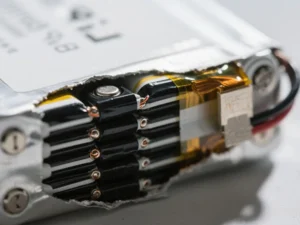
In many cases, water severely affects lithium batteries. It corrodes or becomes permanently damaged, so it cannot be reused. So it is time to dispose of it. But remember that not working with a battery is still dangerous. There can be chemical leakage and unexpected heat. So you have to be very careful while handling it. Do not throw it into regular garbage or household trash. Instead, take it to a recycling center or a designated battery collection point. These places are specially designed to handle hazardous waste safely. But until you submit the lithium battery there, keep it in a dry place away from flammable materials.
Is Saltwater More Dangerous Than Freshwater for Lithium Batteries?
Yes, saltwater is more dangerous for lithium batteries than freshwater. The first main reason is that salt water can conduct electricity much better than fresh water. Now, when the battery comes into contact with salt water, the electricity can easily flow in unintended directions. It means the chances of short circuits become very high.
Secondly, saltwater also speeds up the corrosion process. It reacts with the metal parts inside and outside the battery. As a result, these parts corrode more quickly than normal water. That’s why these parts get damaged and stop working after some time. Even if you dry the battery after it’s been in salty water, the salt particles remain. They continue the corrosion and ultimately damage the entire battery.
Conclusion
Lithium batteries are a must-have in modern electronics. But the major risk for these batteries is water. But at a deeper level, many don’t know what actually happens when the lithium battery gets wet. There are several risks I have discussed in this guide. The wet battery often short-circuits, overheats, or even catches fire in severe cases. Also, moisture disturbs the internal components, reducing their performance.
But if your battery accidentally gets wet, the next step is to take quick precautions. For example, do not own or charge it immediately. Also, keep it away from flammable materials and dispose of it if it cannot be used. When you understand these risks and their precautions, you can handle such wet batteries more safely.