
Energy storage has become an important need in our modern lives. For this energy storage, different types of batteries play a major role. Among many battery technologies available today, LiFePO4 batteries have gained special attention. The reason lies in their special battery management system. But what is a LiFePO4 battery management system (BMS), and how does it work?
Basically, the BMS is like a monitoring system for a LiFePO4 battery. It ensures that the battery performs well in various conditions. But if you are new to this term, it might feel technical. However, worry not! In this guide, I will discuss everything about the BMS of LiFePO4. You will know how this system works, what it does, and its benefits. So let’s get started.
What Is a LiFePO4 Battery Management System (BMS)?
A LiFePO4 Battery Management System (BMS) is an electronic system that monitors and protects a LiFePO4 battery. It controls and looks after some important battery conditions such as voltage, current, and temperature. When it detects conditions that could damage the battery, it takes protective actions.

In simple terms, the BMS is just a safeguard. It ensures that the LiFePO4 battery operates within safe limits at all times. Actually, LiFePO4 is made up of many small cells that work together. If any of those cells stop working or become overcharged, over-discharged, or hot, the entire battery will fail to perform.
So that’s the BMS that constantly checks whether each cell is working effectively. Without this system, the battery can face sudden damage without any alert. The result can be the failure of entire systems and equipment. But the BMS of the LiFePO4 battery improves battery safety and maintains stable performance. That’s why these batteries are used in several systems, such as solar energy, electric vehicles, RVs, and marine applications.
How Does a LiFePO4 BMS Work?
A BMS in a LiFePO4 battery works just like the brain in our body. It continuously monitors important aspects of the battery. Those include voltage, temperature, and current. If any of these factors go beyond the safe limit, the BMS quickly takes action. How? Actually, the LiFePO4 is connected with a special type of sensor. These sensors monitor everything inside the battery at all times.
After that, they send the information of those parameters to the BMS. Now, if everything is going well, like the battery is charging at the right speed, with no heat and no higher current, the BMS will stay calm. But if the sensor detects something going wrong within the battery, it immediately sends those signals to the BMS as well. Now BMS takes action accordingly.
Let’s suppose the BMS detects that the battery voltage is too high during charging. In this case, the BMS will stop the charging process or disconnect the charger. As a result, the battery cells will remain protected from damage. Similarly, if the voltage drops too low, the BMS will disconnect the load when the battery reaches its minimum safe voltage.
Main Components of a LiFePO4 Battery Management System
Now you have basic know-how of the BMS working. Right? But remember, this system does not work alone. Several components work together to ensure the BMS can detect battery conditions. So let’s dive in and explain each part and its function.
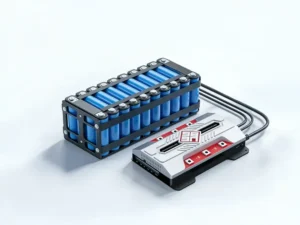
- Control Unit: It is the main brain-like part of the entire BMS. The control unit receives data from different sensors and decides what actions should be taken. If it detects any unsafe situation, it immediately responds.
- Voltage Monitoring Circuit: As I said above, LiFePO4 is made of several cells. So this part is responsible for measuring the voltage of individual battery cells and the entire battery pack. It continuously checks whether any cell is becoming overcharged or over-discharged.
- Temperature Sensors: Now, it comes to temperature sensors that monitor the battery heat. They send temperature readings to the control unit. If the temperature rises or falls beyond the safe limit, the control unit will take action.
- Current Sensor: It measures the current flowing into and out of the battery. In this way, it helps the BMS detect situations such as overcurrent, heavy loads, or short circuits.
- Balancing Circuit: The balancing circuit keeps all battery cells at similar voltage levels. Without balancing, some cells will charge faster while others more slowly. As these differences increase, the overall battery performance can decrease.
Key Functions of a LiFePO4 Battery Management System
Overall, the components of BMS protect and manage the battery. However, the real strength lies in how each component performs. For better understanding, let’s discuss the major functions of a LiFePO4 battery’s BMS.
1- Over-Discharge Protection
The first major function of the BMS is to protect the battery from over-discharging. Normally, the LiFePO4 battery powers several devices simultaneously. That’s why its stored energy starts decreasing gradually. That’s completely normal. However, sometimes the battery continues to discharge even after reaching a very low voltage. This is what damages the battery. To prevent this damage, BMS comes into play. It monitors the battery voltage and the voltage of its individual cells. When the battery discharges, BMS checks whether the voltage is approaching the minimum safe limit. Once this limit is reached, the BMS automatically disconnects the battery from the load. As a result, there is no further discharge.
2- Overcurrent Protection
Like every lithium polymer battery, the LiFePO4 battery also has a safe current limit. If that limit is exceeded, the result would be excessive heat or a short circuit. But BMS always measures the amount of current entering and leaving the battery. If it detects excessive current entering or leaving the battery, it will take action quickly. For example, it might reduce the power flow or disconnect the battery from the circuit altogether.
3- Short-Circuit Protection
In normal conditions, electricity passes through devices before returning to the battery. However, during a short circuit, electricity bypasses the normal path and flows directly from one terminal to another. Now a large amount of current will flow within a very short time. This can cause circuit failure, overheating, or even burning. But BMS in LiFePO4 monitors the battery for abnormal current flow. If it detects a current level that can cause a short circuit, it instantly disconnects the battery from the circuit. There is no electrical flow, and both the battery and the device are protected against short circuits.
4- Temperature Protection
Every battery works best only within certain temperature limits. If the battery becomes too hot or too cold, it will become unsafe to use. When a battery gets too hot, the internal chemical reactions speed up. On the other hand, if the battery becomes too cold, it will not charge properly. To prevent both conditions, BMS uses temperature sensors, which are typically placed inside or near the battery pack. Now, when the temperature exceeds its safe limits, the sensor will alert the BMS, which then takes action accordingly. In case of too high a temperature, the BMS will reduce power or stop charging. But if the temperature is too low, the BMS will block charging until the battery warms up.
5- Cell Balancing
Cell balancing means all cells in an LiFePO4 battery operate at the same voltage. In many cases, some cells charge a little faster, while others may discharge a little slower. This difference over time can lead to serious damage. But the BMS solves this issue by cell balancing. It constantly checks the voltage of each lithium-ion battery cell and compares it with the others. If it finds that some cells have higher voltage than others, it brings them to a similar level.
Benefits of Using a LiFePO4 Battery Management System
BMS in the LiFePO4 battery is not just about supporting the battery. Instead, it ensures that the battery remains safe, reliable, and lasts longer. But that’s not all. Let’s discuss further what other benefits the BMS offers.
1- Improve Safety
The biggest benefit of using a LiFePO4 BMS is that it improves the overall safety of your device and battery. As I said above, under certain conditions, the battery may become too hot, too cold, or even short-circuit. All this can be very dangerous for users and electronic devices. But BMS constantly monitors these things. It reacts quickly if something goes wrong and immediately prevents accidents.
2- Longer Battery Life
You will agree with me that a battery lasts longer when it remains protected from mishaps. Right? So that’s the BMS that extends the lifespan of LiFePO4. It ensures that every cell remains balanced and that temperature, current, and voltage remain within safe limits. When all these things are at the right level, there is no chance of battery damage. All this enhances the overall life of the battery.
3- Better Performance
Another benefit of the BMS is that it ensures the LiFePO4 battery performs efficiently and smoothly. When all the cells are balanced, the battery delivers stable voltage and consistent power output. It means all the devices connected to this battery will also perform well without any drop in performance.
4- Reduce Maintenance
With BMS in a LiFePO4 battery, there remains no need for manual checking and maintenance. The BMS itself is an automatic system that monitors current, voltage, and temperature in real time. It detects the battery’s activity with every movement using a sensor. You do not need to measure voltage or constantly worry about unsafe operation.
5- Increase Reliability
Reliable operation is crucial in many critical systems, such as solar, electric vehicles, and backup power systems. A slight drop or rise in current voltage or temperature here can affect the entire system and even production. The BMS of LiFePO4 batteries ensures this reliability. It checks that every cell is receiving the same voltage. The temperature is at a safe level. The current is following the right path. When all of these are correct, the system’s operation is reliable.

Applications of LiFePO4 Batteries with BMS
Due to this wide range of benefits, the LiFePO4 batteries with BMS have become an essential part of several systems. Almost every modern device relies on these batteries for reliability. For a deeper understanding, here is a table showing the major devices that primarily use LiFePO4 batteries with BMS.
| Application | Use of LiFePO4 BMS Batteries |
|---|---|
| Solar Systems | Store and manage solar energy |
| Electric Vehicles | Power EVs with safety control |
| UPS Systems | Provide backup power during outages |
| RVs | Run appliances in off-grid travel |
| Marine Use | Safe power for boats and yachts |
| Home Storage | Store electricity for home use |
| Portable Power | Supply energy for outdoor use |
Factors to Consider When Choosing a LiFePO4 BMS
Not all LiFePO4 batteries come with the same type of BMS, so it is crucial to choose a BMS that matches your device’s needs. If you choose the wrong or inefficient BMS, it will affect your device’s reliability. So before you make the final decision, here are a few factors you must consider when choosing LiFePO4 BMs.
- Battery Voltage: The first thing to check is the battery voltage. Every BMS is designed for a specific voltage level. Those voltage ranges can be 12V, 24V, 36V, or 48V. So first check at which voltage your device works and then choose the BMS accordingly.
- Current Rating: The current rating is the maximum current the BMS can safely handle. It includes both charging current and discharging current. So if your battery needs to support a heavy device, you must choose a BMS with high current ratings.
- Cell Balancing Capability: Cell balancing maintains all battery cells at the same voltage. It is very important for the efficient working of the battery and device. So when choosing the BMS system, always make sure it has good balancing capability.
- Communication Features: Modern BMS systems often include communication capabilities. These features include Bluetooth, CAN bus, or mobile app support. They allow you to monitor battery performance at any time. You can easily check voltage, temperature, and battery health. So it is best to choose the BMS with these features.
Conclusion
LiFePO4 batteries have become a very popular energy storage option in modern devices. These batteries are known for their safety, reliability, and efficient operation. The reason for this efficiency lies in their BMS system. It is the real monitoring system that keeps an eye on the battery’s current, voltage, and temperature. It checks that all these things are at the right level in the battery so that it can perform well. If something goes wrong, the BMS takes quick action. In this guide, I have discussed everything you need to know about this system.