
Lithium Iron Phosphate (LiFePO4) batteries are very powerful. They are known for their excellent durability. Their long lifespan is what makes these batteries widely used across various industries. Many people have no idea about the LiFePO4 battery lifespan and often ask about their durability.
Interestingly, these lithium-ion batteries can last up to 15 years. However, this can be affected depending on how much battery you use per day. Your pattern of use is another crucial factor that defines the life of these lithium-ion batteries. In the article, I will discuss everything about the life of LiFePO4 batteries. So, let’s get started.
Overview of LiFePO4 Battery
Before discussing lifespan, I will first explain what LiFePO4 batteries are!
LiFePO4 is a rechargeable lithium-ion battery known for its excellent performance. It consists of a cathode made of iron phosphate, while the anode is made of graphite. The lithium-ion transfer between electrodes produces energy that powers various devices. These lithium-ion batteries have high energy density despite their compact size.
LiFePO4 batteries are more efficient and offer better performance than many conventional batteries. Why? That’s because of their better chemistry. They consist of electrodes made of different materials. Cathodes typically consist of iron phosphate, while the anode is of graphite. Lithium ions transfer between the cathode and the anode during charging and discharging.
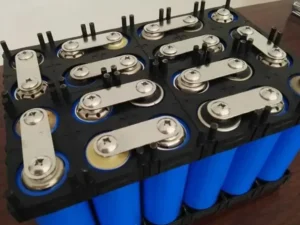
During charging, these ions move from the cathode to the anode (graphite). Once fully charged, all lithium ions remain stored in the anode. When you use this battery (discharge), stored lithium ions move back to the cathode. This movement of lithium ions releases a large amount of energy. This energy powers various devices, enabling them to run smoothly.
These batteries are known for their compact size, which is a significant advantage. Conventional lead-acid batteries offer low performance but are large. This is where these lithium-ion batteries get the edge over their competitors. You’ll see LiFePO4 batteries used in a wide range of devices. These include RVs, EVs, ebikes, and dedicated solar energy storage systems.
How Long Does a LiFePO4 Battery Last?
LiFePO4 batteries offer around 3,000 to 3,500+ charge cycles. This means you can charge and discharge them 3500 times. Simply put, these batteries can last for up to 15 years under good conditions. It is worth noting that the lifespan of these lithium-ion batteries depends on your usage pattern. Careful and lighter use can give over 15 years of longevity.
Interestingly, two measurement criteria highlight the lifespan of the batteries. The brand typically mentions charge cycles to give an idea of its batteries’ lifespan. These LiFePO4 batteries have around 3000 to 3500 charge cycles. One charge cycle means a single complete charge and discharge of the battery. If you charge and discharge the battery once a day, these batteries will last for 3,500 days, or around 10 years.
If your use is lighter, you’ll get an even better lifespan. For example, if you charge and discharge once every two days, your battery life will double. More aggressive use (charging and discharging twice per day) will reduce the lifespan. Apart from the charge cycle, you can also interpret the LiFePO4 batteries by years. Generally, these batteries easily last up to 15 years.
Interestingly, regular use keeps these batteries in good condition. If you leave the battery unused for long periods, it will start to lose its capacity. In this case, these batteries may be significantly degraded after 8 to 10 years. It is crucial to use, charge, and discharge them to keep these batteries in good operating condition.
Quick Highlight: After 3,500 cycles, these batteries do not become dead. Instead, they remain usable even after their charge cycles exceed 3500. After 3500, their charge-holding capacity decreases. So they last less on a full charge, which can be a drawback. However, they are still usable with frequent charging and discharging.
Factors that Affect the Lifespan of LiFePO4 Battery
As I said above, there is no way to mention the exact time a battery lasts. Why? The reason is that various factors affect their lifespan. In the section below, I will discuss each of these factors and how they influence the lifespan of LiFePO4 batteries.
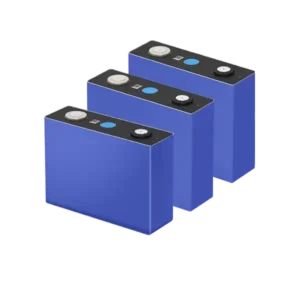
1- Depth of Discharge (DoD)
Depth of discharge is an important factor that can affect battery lifespan. It refers to how much of the energy capacity is used before recharging. Suppose you discharge the battery to 0% and then recharge it. This is bad practice, as such low discharge exposes the battery’s internal components to stress. This stress affects the durability and performance of these batteries. I highly recommend recharging the battery once the charge level drops to 20%. This will help in increasing the performance and lifespan of your LiFePO4 batteries.
2- Temperature Conditions
Using LiFePO4 batteries at high temperatures is never a good idea. Why? That’s because high temperatures above 40 degrees Celsius can speed up the chemical reaction inside the battery. This higher reaction degrades the internal component of these batteries. As a result, batteries’ charging storage capacities decrease over time. This eventually affects the performance and lifespan of the batteries. I highly recommend using these batteries at a low temperature of around 30-32 degrees Celsius. If you live in a hot area, it is best to keep batteries in a cool place. For this, you can also use fans to keep batteries at optimal temperatures.
3- Charging Voltage & Charging Speed
Each lithium-ion battery works best at a specific voltage. If the voltage is too high, it can affect the performance of LiFePO4 batteries. Sometimes users charge the battery with the wrong charger. As a result, the battery is exposed to the wrong voltage. This can be disastrous for the battery, as its internal components are subjected to stress from uneven voltage. This results in the deterioration of the internal components of these lithium-ion batteries.
You should always charge the battery correctly using recommended chargers. This way, your battery won’t be exposed to very high voltage. Similarly, you should not use a charger that charges the battery at a high charging speed. This can cause the batteries to overheat. Ideally, you should use the charger the brand provides at the time of purchase. These chargers are designed to prevent the batteries from overcharging.
4- Discharge Rate (Load Demand)
Discharge rate is an important factor that can affect the performance of LiFePO4 batteries. It refers to how quickly current is drawn from the battery to power devices. When you use batteries to run larger devices, they are more likely to draw more current. This higher current from the battery can cause them to overheat and reduce their capacity.
Every battery has its specifications and the amount of current it can supply. You should use the battery according to its specifications to get the maximum lifespan. If your device is big, you should buy a larger LiFePO4 battery. Such batteries are rated for larger devices and perform optimally in them.
5- Storage Conditions
It is one of the most commonly ignored factors that affects the lifespan of lithium-ion batteries. If you store a LiFePO4 battery in moist conditions, you’re putting it at risk. Why? The reason is that moisture exposure can affect the battery terminals. Moisture can cause rust on the battery’s metallic parts. Additionally, keeping it at low or high temperatures is also bad for the battery’s lifespan. That’s why you must keep the battery in a dry place to prevent rusting. Keeping the battery at room temperature during storage is best.
6- Regular Maintenance
Regular maintenance is crucial if you want a better lifespan from the batteries. Undoubtedly, LiFePO4 batteries require less maintenance than lead-acid batteries. However, you will need to monitor for leakage and swelling to ensure the battery is in good condition. The battery terminals are generally exposed to moisture.
As a result, they can rust over time, affecting the performance of these batteries. You should always check these terminals for signs of rust. If you notice rust, remove it immediately. Apart from this, I also recommend periodic battery checks to detect any issues. Maintaining regularity can extend the lifespan of your LiFePO4 batteries.
Lifespan of LiFePO4 vs Other Batteries
As you know, there are different types of batteries available in the market. The performance and lifespan of all these types vary. However, lithium-based batteries have a longer lifespan than other batteries. Below is the table showing a comparison of different batteries and their lifespan:
| Battery Type | Average Lifespan |
|---|---|
| Lead-Acid Battery | 3 – 5 years (300–500 cycles) |
| AGM Battery | 4 – 7 years (400–800 cycles) |
| Gel Battery | 5 – 8 years (500–1,000 cycles) |
| Lithium-ion (NMC) Battery | 5 – 10 years (500–1,500 cycles) |
| LiFePO4 Battery | 10 – 15 years (3,000–3500+ cycles) |
| Nickel-Cadmium (NiCd) | 10 – 20 years (1,000+ cycles) |
| Nickel-Metal Hydride (NiMH) | 5 – 7 years (500–1,000 cycles) |
Signs Your LiFePO4 Battery Is Deteriorating
It is noteworthy that LiFePO4 batteries do not die quickly. Instead, these batteries gradually deteriorate. They show some signs when they are losing their charging hold capacity or performance. That’s where it is crucial to understand the signs so you can apply immediate fixes. This helps significantly extend the lifespan of your LiFePO4 batteries.
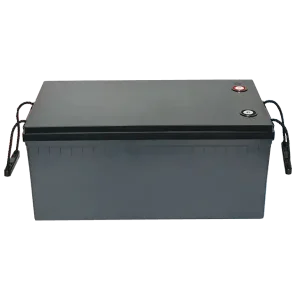
Below is the list of some signs that you will notice when your battery starts to deteriorate:
- The battery starts to last less per charge
- During charging, the battery may start to overheat
- The battery may charge more slowly than usual with the right charger
- You will notice signs of rust on the terminals of LiFePO4 batteries
If you notice any of these issues, it indicates your LiFePO4 batteries are experiencing problems. In such conditions, you should take the appropriate steps to resolve the issue. If these signs come after 10 to 12 years, you cannot do much. Why? The reason is that this is the time when the battery is most likely to reach its charge cycles and begin aging. However, if the battery is under warranty and has a serious issue, you should claim the warranty and have the issue resolved by the official dealer.
Frequently Asked Questions
How long should a LiFePO4 battery last?
LiFePO4 batteries generally last for around 10 to 15 years. In other words, these batteries perform well up to 3500 charge cycles. After that, the performance and duration start to degrade.
How long will a 12V 100Ah LiFePO4 battery last?
A 12V 100Ah LiFePO4 battery lasts 10 to 15 years. All lithium-based batteries have similar lifespans despite different storage capacities. After 15 years, these batteries will start to malfunction, giving less life per charge, etc.
Is it bad to fully charge a LiFePO4 battery?
Yes. Fully charging LiFePO4 batteries is never a good idea. You should charge these batteries to 80% and discharge them when 20% of the charge remains. This usage pattern will keep your lithium-ion battery safer for long-term use. That’s because this will cause less stress on the components of these batteries.
Conclusion
Let’s conclude: LiFePO4 batteries are best for performance. Their high energy density and smaller size make them stand out. However, many seem confused about their lifespan. You should expect these lithium-ion batteries to last more than 10 years. With proper care and maintenance, you can increase their lifespan up to 15 years. In this article, I have discussed everything about the life expectancy of LiFePO4 batteries. You’ll also learn about the key factors that influence the longevity and performance of these batteries.