
The advent of lithium-ion batteries has changed our lifestyles a lot. They have made electronic devices truly portable and wireless, which is convenient for us. Nowadays, lithium-ion batteries are found everywhere in our daily lives. For example, smartphones, laptops, and electric cars all need lithium-ion batteries. However, the widespread use of lithium-ion batteries does not mean they are perfect. Like any technology, lithium-ion batteries have limitations and risks. Understanding the pros and cons of lithium-ion batteries helps manufacturers, distributors, engineers, and end users choose the right battery for each application. In this guide, we break down the key pros and cons of lithium-ion batteries.
Pros and Cons of Lithium Ion Batteries

Advantages of lithium-ion battery
1. High Energy Density
High energy density is the most essential advantage of lithium-ion batteries. It means that lithium-ion batteries can store more electric energy than other types. Therefore, electric devices with lithium-ion batteries are lighter, smaller, and thinner. At the same time, they offer longer runtime. Smartphones are light and thin, but they can last a full day of heavy use. Electric cars with a 60kWh battery pack can provide a range of over 500 kilometers.
2. Long Cycle Life
The cycle life of lithium-ion batteries can typically reach 500 to 2000 times. It specifically depends on chemical systems and applications. High-quality lithium-ion power and energy storage batteries have longer lifespans. Their long cycle life reduces the frequency of replacement and long-term operating costs. A smartphone’s battery can retain over 80% of its capacity even after 2-3 years of everyday use.
3. Low Self-discharge Rate
When lithium-ion batteries are not in use, they consume power very slowly. The monthly self-discharge rate is normally around 2% to 5%. This self-discharge rate is far lower than that of other battery types. Lithium-ion batteries keep their charge well all the time. After being stored, they even keep charged. The remote control still works typically well after being stored for several months. Car keys can not run out of battery, even if we do not use them for a long time.
4. No Memory Effect
The memory effect occurs when a battery is charged before it’s fully discharged. It “remembers” this low-capacity state, which lowers its actual capacity. Lithium-ion batteries do not have a memory effect. So, lithium-ion batteries can charge as needed. It is convenient for users. Using a laptop while plugged in will not damage the battery. We can place Bluetooth earbuds back in the charging case to recharge at any time. Besides, we do not need to worry about capacity degradation.
5. Strong Fast Charging and Discharging Capabilities
Lithium-ion batteries have low internal resistance. They can support large charging and discharging currents. Therefore, lithium-ion batteries can support high-power charging and provide a large current instantly. Smartphones can charge super fast. Besides, it can meet the needs of scenarios such as the rapid acceleration of electric vehicles and the high-power flight of drones.
6. Flexible Designs
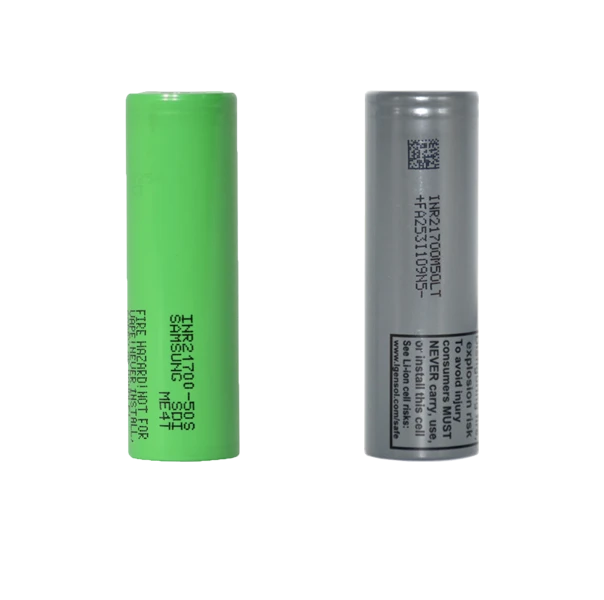
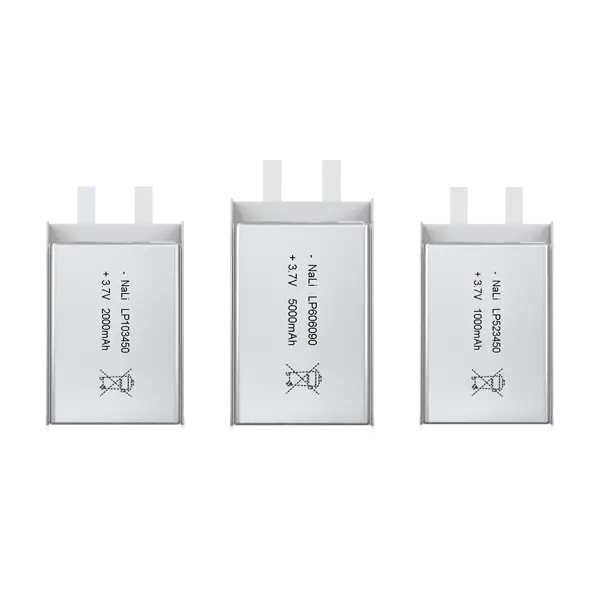
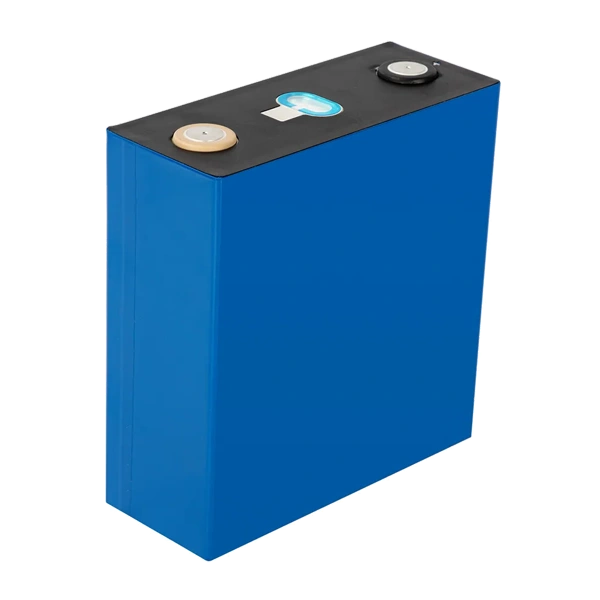
We can design lithium-ion batteries flexibly according to their internal space. This feature enables structural innovation in devices. The design of lithium-ion batteries comes in many shapes. For example, cylindrical, square, and ultra-thin pouch batteries.
Disadvantages of lithium-ion battery
1. Safety Concerns
Lithium-ion batteries are prone to thermal runaway. The failure of any battery cell may trigger a chain reaction that affects the entire battery pack. When lithium-ion batteries are subjected to physical damage, overcharging, or high temperatures, they may catch fire or explode.
Due to battery design defects, some phones can cause internal short circuits during charging or everyday use. This defect leads to thermal runaway, which eventually results in fires and explosions. Some substandard or damaged shared power banks malfunction during use. This malfunction causes them to catch fire at charging stations.
2. Expensive Costs
The production of lithium-ion batteries needs heavy metals. These materials increase mining and purification costs. Besides, prices are greatly influenced by fluctuations in the international market. Therefore, the initial cost of a lithium-ion battery remains high. What’s more, lithium-ion batteries must be equipped with a precise battery management system (BMS). This system monitors voltage, temperature, and current. This system increases the complexity and costs of the lithium-ion batteries.
Battery costs account for 30%-40% of the total price of an electric car. Additionally, replacing the battery in an electric car is expensive.
3. Poor Low-temperature Performance
The performance and capacity of lithium-ion batteries will decline significantly below 0°C. In extremely cold environments, the lithium-ion battery may lose power quickly. Not only that, it even becomes unusable.
The range of electric cars drops greatly in winter. Smartphones shut down when taking photos in extreme cold outdoors.
Conclusion
In summary, lithium-ion batteries have many advantages. They have high energy density, long cycle life, low self-discharge, and no memory effect. However, disadvantages of lithium-ion batteries also exist. For example, thermal runaway concerns, high costs, and poor low-temperature performance. It’s important to take a balanced view of both the pros and cons of lithium-ion batteries. When selecting lithium-ion batteries, we need to consider all factors.